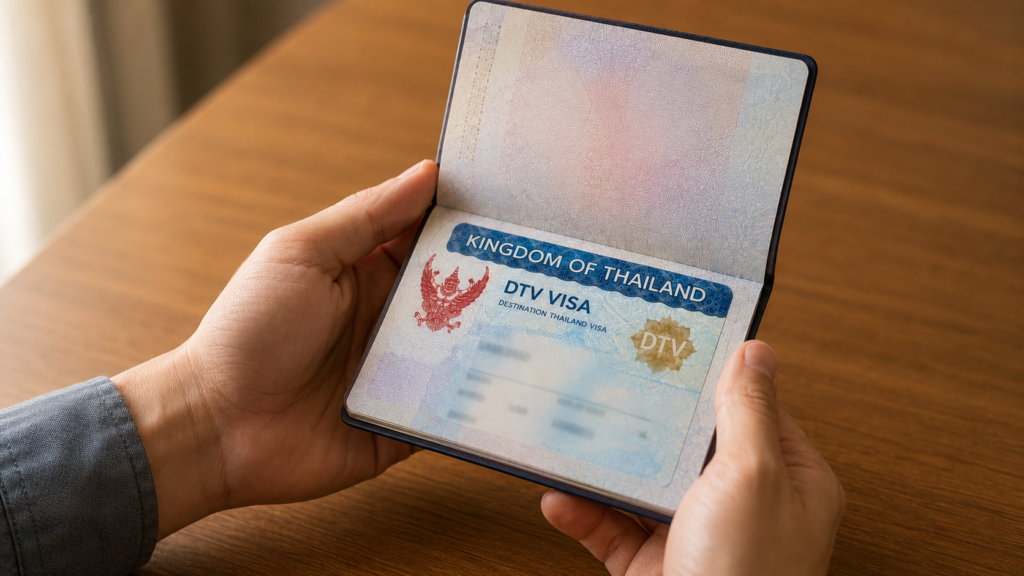
Under the Thailand DTV rules 2026, Thailand has tightened the supporting-document requirements for Destination Thailand Visa (DTV) applications as of 31 August. Two new requirements are now in effect, and they affect digital nomads, freelancers, foreign professionals and relocating families who are preparing to apply.
The DTV itself is not being cancelled or reduced under the Thailand DTV rules 2026. What is changing is the level of documentary scrutiny applied at the application stage.
The Department of Consular Affairs at Thailand’s Ministry of Foreign Affairs confirmed the changes in an announcement issued on 28 August 2026.
1. Applicants Must Apply in Their Country of Nationality or Permanent Residence
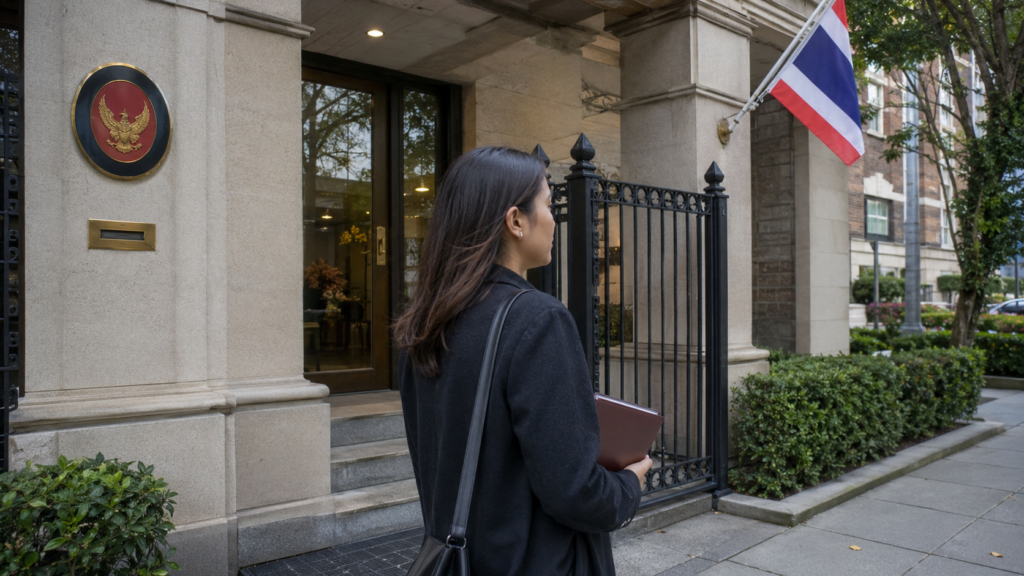
Guidance issued by the Royal Thai Embassy in Vientiane and the Royal Thai Embassy in Dhaka explicitly states that applicants must be a national or hold permanent residency in the country where they submit their visa application. Furthermore, the Royal Thai Embassy in London specifies that proof of residency in its designated consular jurisdiction the UK or Ireland is now strictly mandatory.
It is worth clarifying what “permanent residence” means in this context: a residence permit or equivalent legal status granted by that country’s authorities. A long stay, a rental agreement or a series of accommodation bookings will not be treated as evidence of residence.
Third-Country DTV Applications Are Now More Restricted
Until now, some applicants staying in Thailand would travel to a nearby country and apply for a DTV there because the process appeared easier, faster or more flexible. Applicants should no longer rely on that strategy.
If an applicant is only visiting Laos as a tourist and does not satisfy the nationality or permanent-residence requirements imposed by the Thai embassy there, that applicant should not expect to be able to use Laos simply as a convenient DTV application location. The same principle applies more broadly: applicants should not choose a Thai embassy or consulate in another country solely because they believe that embassy is easier to deal with.
For anyone already in Thailand, this can materially increase the time, cost and preparation required for a DTV application.
2. Criminal Record Clearance Is Now Required for DTV Applications
The second confirmed change is a new requirement for a certificate of criminal record clearance, applicable to all DTV applicants.
The certificate must be issued by one of two specified sources:
- the authorities of the applicant’s country of nationality, or
- the authorities of the country where the application is being submitted
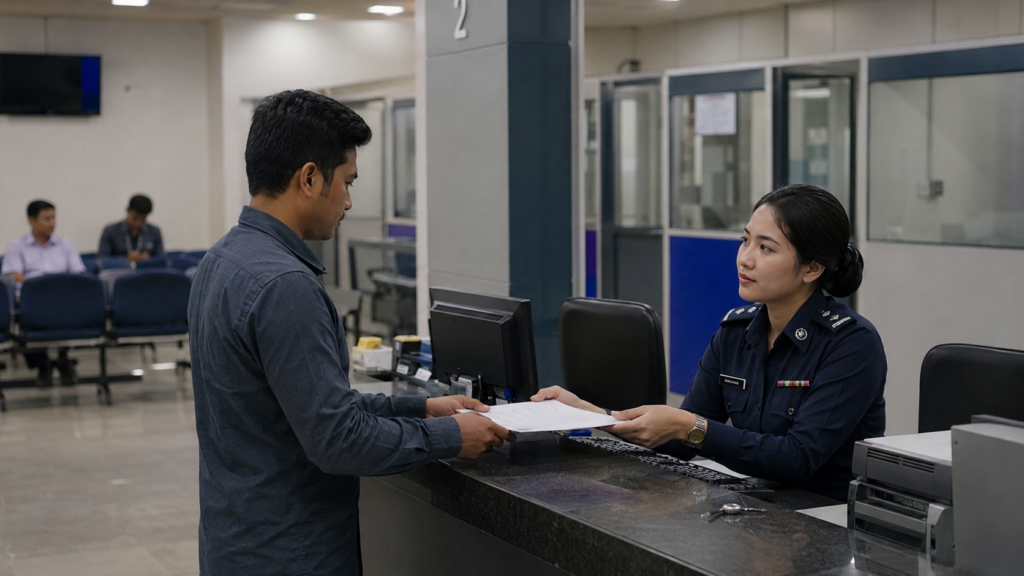
Since the first requirement already limits applicants to a country where they hold nationality or residence, in practice this means selecting whichever of the two authorities can issue the certificate more quickly. Processing times vary considerably between jurisdictions from same-day issuance in some countries to several weeks in others and some authorities require the applicant to appear in person or provide fingerprints.
This is likely to be the most time-sensitive item in the application. Financial evidence and employment documentation can typically be assembled within a short period. A criminal record certificate is issued according to the relevant authority’s own timeline, and may additionally require translation or legalisation. Applicants should begin this process before addressing other elements of the application.
What Happens to DTV Applications Filed Before This Change
The Ministry of Foreign Affairs announcement includes a transitional provision. Applications submitted before 31 August 2026 will continue to be processed under the previous requirements.
Based on the wording of the announcement, the new supporting-document requirements are not being applied retrospectively to applications already submitted before the effective date.
Applicants with pending applications should nevertheless continue to monitor correspondence relating to their case, as Thai diplomatic posts retain the ability to request additional documentation or an interview during processing, irrespective of which set of requirements applies. Thailand’s official e-Visa platform also states that submission of an application does not guarantee approval.
Have the DTV Visa Terms Changed?
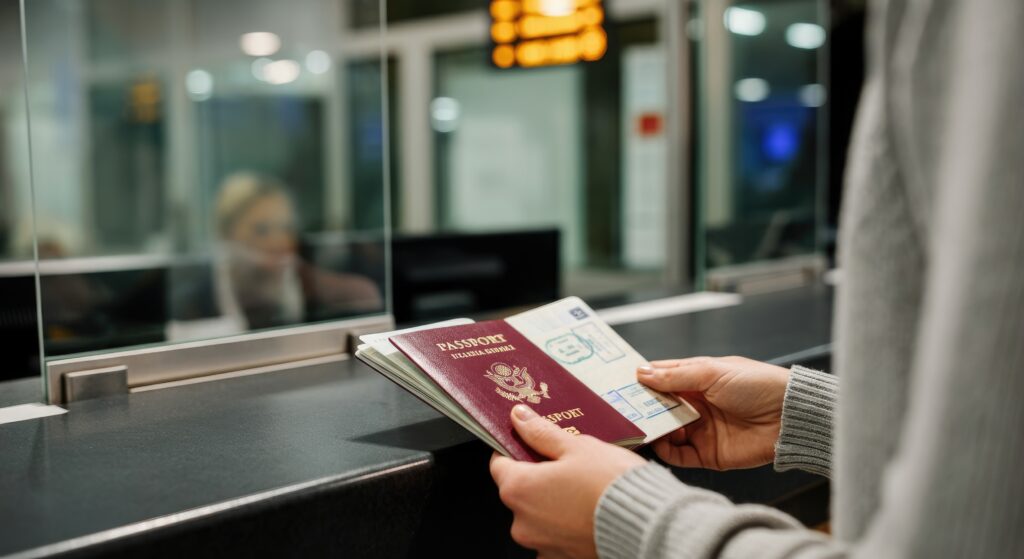
No. The announcement concerns the supporting documents required for an application; it does not affect the terms of the visa itself.
The DTV remains a five-year, multiple-entry visa permitting stays of up to 180 days per entry, with the option of a single extension of up to 180 days through the Immigration Bureau, subject to approval.
It is worth noting that visa validity and permitted length of stay are separate matters. A five-year validity period does not equate to five years of continuous, uninterrupted stay in Thailand.
The 31 August changes should therefore be understood as a tightening of application screening and documentary evidence, rather than a reduction of the DTV framework itself.
What DTV Applicants Should Consider Now
The new requirements make one question more important: is the DTV still practical for your situation?
For founders, remote professionals, executives and relocating families, the answer depends on whether the application route, documentary burden and intended activities still align with the way you plan to live or operate in Thailand.
For some applicants, the DTV will remain the most practical option. For others, the new requirements may justify considering a different visa structure.
Contact SVBL for a DTV eligibility review, application support, and advice on how your immigration status should align with your work, business, or relocation plans in Thailand.