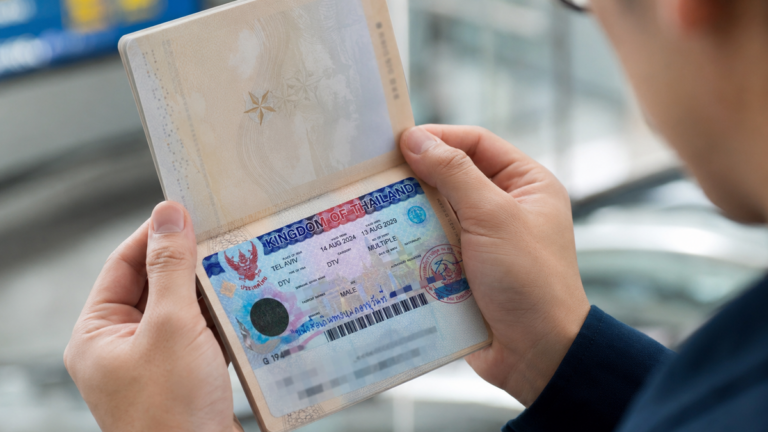
Thailand remains one of the most attractive destinations for expats, remote professionals, retirees, and relocating families seeking a high quality of life at a manageable cost. On the surface, the cost of living in Thailand can look highly appealing. Rent, food, transport, and daily services are often lower than in many Western cities.
But monthly lifestyle costs do not tell the full story. Anyone planning a long-term move also needs to account for visa-related capital requirements, private healthcare, and tax compliance. To calculate the real cost of living in Thailand, you need to look beyond everyday spending and understand the structural costs that affect your first year of relocation.
Structural Variables in the Costs of Living in Thailand
Most people calculate the cost of living in Thailand by looking at monthly expenses such as rent, food, transport, utilities, and entertainment. Those costs matter, but they are only part of the relocation budget.
For long-term residents, the bigger issue is often the money required to stay legally and securely. This includes visa-related capital reserves, private healthcare coverage, and tax compliance once your time in Thailand becomes long term. These costs may not appear in everyday lifestyle budgets, but they can affect your cash flow, financial planning, and overall relocation strategy.
1. The Visa Deposit and Capital Lock-Up
A common mistake is judging Thailand visa options only by their government application fees. Those fees are usually manageable. The real hidden cost is often the amount of liquid capital you need to show, maintain, or keep available to qualify for your visa.
Common examples include:
- Retirement visa: often requires 800,000 THB in a qualified Thai bank account
- Marriage visa: often requires 400,000 THB in a Thai bank account or verified income
- Destination Thailand Visa, or DTV: requires proof of at least 500,000 THB in liquid funds
That money may remain yours, but it cannot always be treated as flexible spending money. In practice, it becomes a reserve that must be preserved for immigration purposes.
Thai immigration offices and embassies generally do not treat property equity, cryptocurrency, speculative investments, or ordinary stock portfolios as suitable replacements for required liquid funds. The money usually needs to be clearly available, stable, and held in an account connected to the applicant.
Financial seasoning has also become more important. A sudden unexplained deposit made shortly before an application can raise questions and may delay or weaken the filing. For many long-stay routes, applicants should be prepared to show that funds have been held consistently for several months.

2. Private Healthcare Liabilities and Medical Realities
Healthcare is another area where the visible cost of living in Thailand can be misleading. Thailand has excellent private hospitals and internationally recognized medical facilities. Routine consultations and minor treatment can be affordable compared with many Western countries. However, serious illness, surgery, emergency care, or hospitalization at a Some visa categories have specific insurance requirements. Other visas may not strictly require private health coverage by law.
But the absence of a legal requirement does not mean insurance should be ignored.
Most foreign residents cannot rely on domestic healthcare systems from their home countries once they are living in Thailand. Emergency medical evacuation can also be extremely costly. Without proper insurance, a single major accident or medical event can disrupt an entire relocation budget. For many long-term residents, private medical insurance should be treated as a core cost, not a luxury.
Inpatient-only coverage can help protect against major accidents, surgery, and serious illness. More comprehensive policies that include outpatient care, specialist visits, and prescriptions will usually cost more, especially as the applicant gets older or requires lower deductibles.
As a broad planning range, comprehensive private medical coverage may require an annual allocation of around 50,000 THB to 140,000 THB, depending on age, coverage level, exclusions, and insurer. This cost should be built directly into any serious Thailand relocation plan.

Inpatient-only coverage can help protect against major accidents, surgery, and serious illness. More comprehensive policies that include outpatient care, specialist visits, and prescriptions will usually cost more, especially as the applicant gets older or requires lower deductibles.
As a broad planning range, comprehensive private medical coverage may require an annual allocation of around 50,000 THB to 140,000 THB, depending on age, coverage level, exclusions, and insurer. This cost should be built directly into any serious Thailand relocation plan.
3. Tax Residency and Remittance Planning
Tax is one of the most important hidden costs for foreigners living in Thailand long term. Under Thai tax rules, an individual who stays in Thailand for 180 days or more in a calendar year may be treated as a Thai tax resident. This can matter significantly for remote workers, business owners, investors, retirees, and anyone funding their life in Thailand with offshore income.
Recent Revenue Department guidance has changed how foreign-sourced income brought into Thailand is treated for Thai tax residents. As a result, long-term residents need to think carefully about how and when they bring foreign income into Thailand.
This may include remote salaries, dividends, business income, investment distributions, pensions, or other offshore funds used to pay local expenses.
This does not automatically mean every foreign resident will face a large tax bill. Thailand has Double Taxation Agreements with many countries, and those treaties may reduce or prevent double taxation depending on the type of income and the person’s tax position. However, ignoring the issue is risky.
For many expats, the annual cost of basic tax compliance is manageable. Working with an expat-focused tax professional to obtain a Thai Tax Identification Number and prepare a Thai tax filing may cost around 8,000 THB to 15,000 THB per year, depending on complexity. The larger risk is failing to plan before crossing the 180-day tax residency threshold. Remote professionals, online business owners, and retirees should review their tax position before settling into a long-term stay pattern.

Essential Costs Beyond Monthly Rent
A realistic relocation budget should account for more than everyday expenses. For long-term residents, the main structural costs usually include:
- Visa-related capital reserves, such as 800,000 THB for a retirement visa, 400,000 THB for a marriage visa, or 500,000 THB for the DTV
- Private medical insurance, especially if you plan to rely on Thailand’s private hospital system
- Tax compliance, including possible tax registration, annual filing, and cross-border income planning
These costs may not appear in ordinary lifestyle budgets, but they can affect your cash flow, financial flexibility, and long-term security. That is why an accurate calculation of the cost of living in Thailand needs to include both daily expenses and structural financial commitments.
Making the Strategic Decision
An accurate calculation of the cost of living in Thailand requires more than comparing rent, food, and transport. For short-term visitors, those numbers may be enough. For long-term residents, founders, retirees, remote professionals, and families, the real question is whether your relocation plan is financially and legally sustainable. Addressing these three pillars early ensures your move remains legally sound and financially predictable.
At Siam Visa & Business Law, we look beyond basic entry stamps and monthly living costs. We help foreign nationals, entrepreneurs, remote professionals, retirees, and families build Thailand relocation strategies that align immigration status, healthcare planning, tax exposure, and long-term financial security.
If you are planning a move to Thailand, SVBL can help you assess the true cost of living in Thailand, identify the right visa pathway, and structure your stay with legal and commercial certainty. Contact us today to schedule a personalised consultation and plan your move to Thailand with confidence.