Thailand border runs are no longer a reliable long-stay strategy for foreign nationals who want to remain in the country without choosing the correct visa pathway.
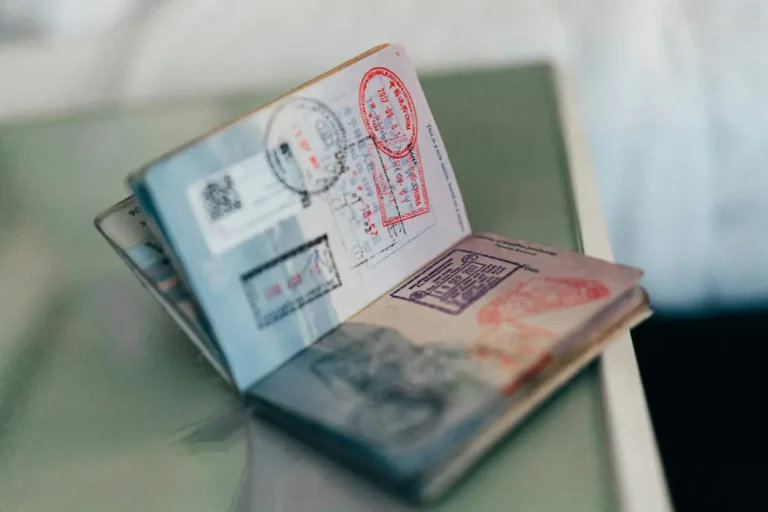
For years, some foreigners treated a border run as a practical workaround: leave Thailand briefly, re-enter on a new visa exemption or tourist permission, and continue living in the country without committing to a long-term immigration structure.
That assumption is now increasingly risky.
Thailand has not closed the door to tourism, business travel, remote professionals, investors, retirees, or relocating families. But the enforcement environment has changed. Immigration authorities are paying closer attention to repeated entry patterns, especially where a foreigner appears to be using tourist-style permission as a substitute for the correct visa category.
The practical issue is no longer only whether a passport qualifies for visa exemption. It is whether the traveller’s overall pattern still looks consistent with temporary entry.
Are Thailand Border Runs Still Allowed?
Thailand border runs may still be possible in limited circumstances, but they should not be treated as a dependable long-term residence plan.
A foreigner who exits and re-enters once for a legitimate reason is in a different position from someone repeatedly using short-term entries to stay in Thailand for months. The risk increases where the person has limited time outside Thailand, unclear travel reasons, repeated extensions, no suitable long-stay visa, or signs of working or operating a business without the correct authorization.
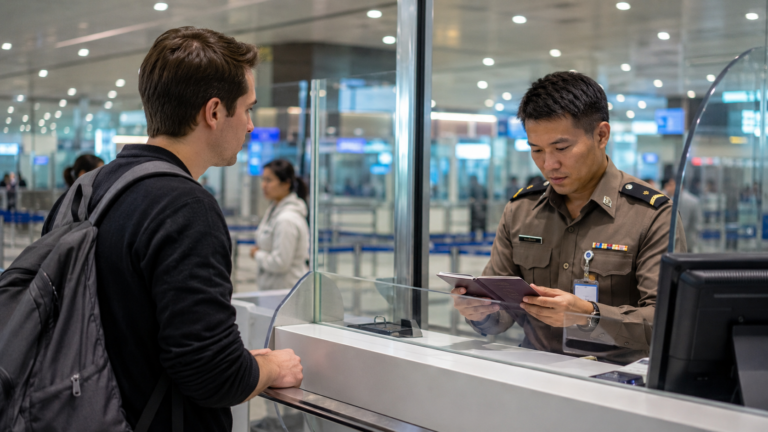
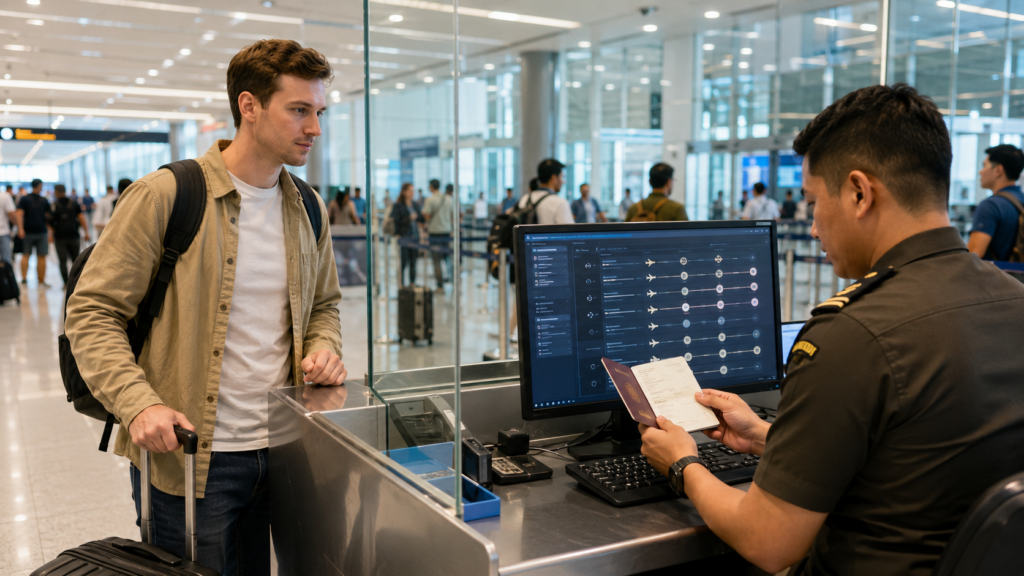
In November 2025, Thailand’s Government Public Relations Department reported that the Immigration Bureau had introduced measures targeting repeated visa-exempt entries used as visa runs, including possible denial of entry where repeated use lacks a valid reason. The same report stated that approximately 2,900 foreigners with similar patterns had been refused entry since early 2025.
Why Border Runs Now Attract Scrutiny
A border run is not automatically unlawful. The issue is the pattern.
Immigration officers may look beyond a single entry and consider the wider history, including:
- repeated exits followed by quick re-entry
- cumulative time spent in Thailand
- limited time outside the country
- repeated use of visa exemptions or tourist visas
- prior extension history
- unclear accommodation or financial support
- inconsistent explanations about the purpose of stay
- signs of remote work, local work, business management, or client activity
- previous warnings, refusals, or questioning at checkpoints
This is why relying only on the number of permitted days can be misleading. A traveller may be from a visa-exempt country, but still face questioning or refusal if the full immigration record suggests they are not a genuine temporary visitor.
Who Is Most Affected?
The highest-risk group is not the ordinary tourist. The risk is concentrated among foreign nationals using short-term permission for long-term purposes.
Remote Workers and Digital Nomads
Remote professionals often assume that if their employer, clients, or income source is outside Thailand, repeated tourist-style entries are enough. That assumption is weak.
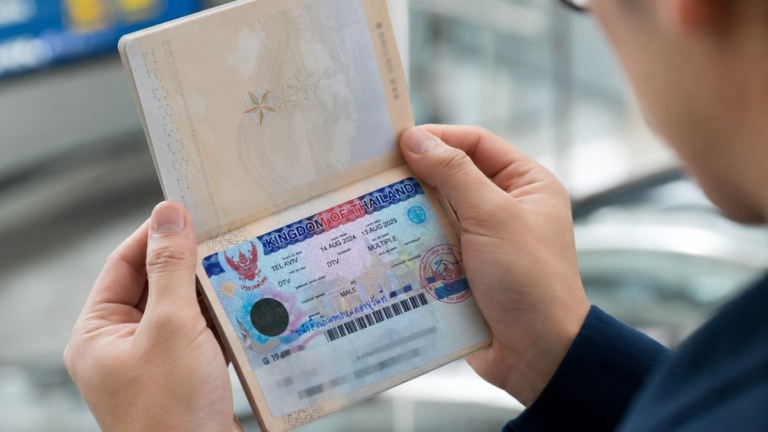
Thailand now has more formal routes, including the DTV, for certain remote workers, freelancers, digital nomads, and qualifying activity-based visitors. Where a person appears to fit a long-stay or remote-work category but continues using border runs, the mismatch may become harder to justify.
Foreigners Informally Living in Thailand
Some foreigners spend most of the year in Thailand while rotating between visa exemptions, tourist visas, extensions, and short trips abroad.
This group is especially exposed because the issue is not just one entry. It is the accumulated record. Even if each individual entry was previously accepted, the overall pattern may suggest de facto residence without the right immigration status.

Founders and Business Operators
Foreign entrepreneurs sometimes enter Thailand as tourists while exploring opportunities, meeting suppliers, managing customers, negotiating leases, or setting up a company.
There is a difference between legitimate short-term business engagement and actually working, managing, or operating a business in Thailand. Where business activity becomes substantial, a proper visa, work permit analysis, company structure review, and licensing assessment may be required.
Long-Stay Visitors Waiting for a Better Plan
Some foreigners delay choosing the right visa because border runs feel easier. In 2026, that is increasingly poor risk management.
The longer a person relies on short-term entries, the more difficult it can become to explain why they have not regularized their status through a suitable long-term visa pathway.
What Foreigners Commonly Get Wrong
The biggest misconception is that a previous entry stamp creates a right to re-enter. It does not.
Visa exemption eligibility means a traveller may be considered for entry under that scheme. It does not guarantee admission in every case, especially where repeated entries suggest that the person is using visitor permission for another purpose.
A second mistake is assuming that airports are safer than land borders. The issue is not only the checkpoint. It is the immigration history, travel pattern, and explanation given at entry.
A third mistake is assuming that extensions are automatic. Extension of stay remains subject to immigration discretion. A person with a repeated visa-run pattern may face closer review when seeking an extension.
What Should Foreigners Do Instead?

The better question is not: How do I get another stamp?
The better question is: What visa status accurately reflects why I am in Thailand?
Remote workers should assess whether the DTV, LTR, business visa, employment route, or another category properly matches their activities. Founders should review whether their Thai company, ownership structure, work permit position, and visa category align. Retirees should consider retirement-based options rather than repeated tourist entries. Families should evaluate dependent, education, guardian, or long-term relocation structures depending on their circumstances.
The strategic risk is mismatch. Thailand’s enforcement environment is increasingly focused on whether the facts of a person’s life in Thailand align with the legal basis used to enter.
The Strategic Takeaway
Thailand border runs are becoming less viable as a casual long-stay solution.
For serious long-stay foreigners, the safer approach is to move from tactical entry management to proper immigration structuring. That may mean applying for the correct visa before travel, reviewing work authorization, documenting the purpose of stay, or aligning a business structure with the appropriate immigration route.
SVBL advises foreign nationals on Thailand visa strategy, entry compliance, work authorization, and long-term stay planning. If your current immigration approach relies on repeated entries or no longer reflects your actual activities in Thailand, contact us to assess your options.